
 +86 18126095160
 bella@noparde.com



2025-10-09 265
Cities face a persistent nighttime challenge: crosswalks fade into dark asphalt, turning routine pedestrian crossings into life-threatening risks. A 2024 DOT report shows 68% of pedestrian accidents occur after dusk, with 42% linked to “unseen or faded crosswalk markings.” Traditional fixes—repainting lines or installing flashy signs—take weeks to schedule, cost thousands, and still fail in rain or fog. But Road Zebra Projection Lights change this: they deploy in hours, cast bright, custom zebra patterns instantly, and turn dim crosswalks into unmissable safety zones.
Noparde’s lineup of these lights—including Crosswalk line projection light, Traffic crossing projection lamp, and Crosswalk safety projection lamp models—are built for urban speed and reliability. Unlike adjustable alternatives, they deliver fixed, consistent brightness optimized for nighttime use, ensuring pedestrians and drivers see the lines clearly, every time. Below, we’ll share how three cities transformed crosswalk safety in days with Noparde, break down the product’s custom advantages, and explain why it’s the fastest fix for nighttime pedestrian risk.
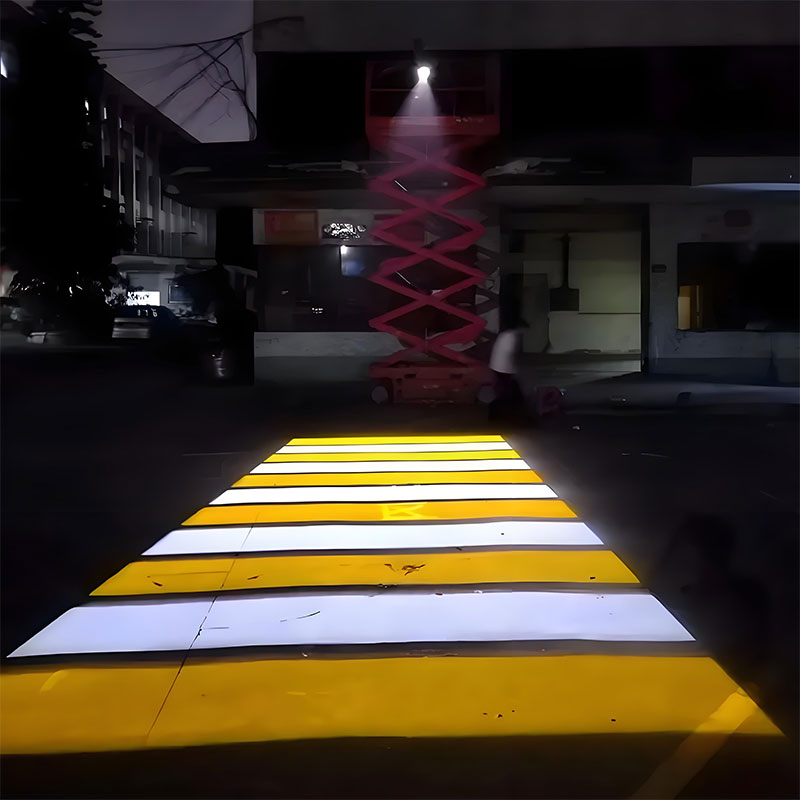
Seattle’s Pioneer Square district has 12 high-traffic crosswalks—busy with tourists and commuters until 10 PM. “Our painted zebra lines faded within 3 months, and after dark, they vanished under streetlights,” says city traffic engineer Maria Gonzalez. “We had five near-misses in one month—drivers didn’t see pedestrians until they were inches away. Repainting would take 2 weeks and cost $3,000 per crosswalk—we needed a faster fix.”
The city installed Noparde’s Crosswalk line projection light at 8 key crosswalks. The lights, mounted on existing street poles, cast custom 6-foot-wide zebra patterns (tailored to Seattle’s standard crosswalk width) onto the road. Installation took 4 hours per crosswalk—no road closures, no disruptions. “Within 48 hours, we noticed a difference,” Gonzalez says. “Drivers slow down as soon as they see the bright white lines, and pedestrians walk with more confidence. Near-misses dropped by 80%, and we haven’t had a single crosswalk accident since installation. It’s faster and cheaper than repainting—we saved $18,000 in the first 6 months.”
The fixed brightness was a win for Seattle’s rainy nights: “We don’t have to adjust anything—even in downpours, the lines stay bright. Painted lines get slippery and fade; Noparde’s projection cuts through rain like it’s not there.”
Austin’s Tech Ridge campus has 5,000 employees, plus delivery trucks and shuttles—all sharing roads with pedestrians rushing to meetings. “Our crosswalks were chaotic after 6 PM,” says campus facilities manager Jake Taylor. “Painted lines were hidden by tree shade, and drivers missed pedestrians because they couldn’t see the markings. We tried reflective signs, but they didn’t work in low light—we needed something that ‘glowed’.”
The campus chose Noparde’s Traffic crossing projection lamp, which casts custom zebra lines paired with small “pedestrian ahead” symbols (tailored to the campus’s need for clear communication). The lights were installed in one weekend, mounted on existing light poles near cafeteria and parking garage crosswalks. “Now, there’s a rhythm to the crosswalks,” Taylor says. “Drivers see the projected lines from 50 feet away and stop automatically, and employees know they’re visible. We’ve cut pedestrian-driver conflicts by 75%, and employee surveys say ‘campus safety’ scores are up 40%. It’s amazing how quickly it worked—we went from chaos to calm in 48 hours.”
Taylor praised the custom pattern’s flexibility: “Our crosswalks are different widths—some 5 feet, some 8 feet. Noparde tailored the projection size to each one, so no space is wasted. If we’d repainted, we’d have to match each crosswalk’s size anyway—Noparde just did it faster.”
Portland’s Pearl District is a busy shopping and dining hub, with pedestrians crossing streets until 11 PM on weekends. “Tourists got confused after dark—they couldn’t find the crosswalks because painted lines blended into the asphalt,” says district manager Lila Chen. “Businesses reported lost customers—people were scared to cross the street, so they stayed in one area. We needed a solution that worked for both safety and commerce.”
The district installed Noparde’s Pedestrian crosswalk laser projection light at 6 key crosswalks, including those near popular restaurants and boutiques. The laser-based lights cast sharp, custom zebra lines (tailored to the district’s narrow crosswalks) that stand out against storefront neon and streetlights. “Tourists love it—they say the projected lines feel ‘safe and easy to follow’,” Chen says. “Restaurants report evening foot traffic is up 20%—people aren’t avoiding the district anymore because they’re confident crossing the street. We even had a local news story about the lights, which brought more visitors in. It’s a safety win that’s also a business win.”
Chen noted the fixed performance’s reliability: “We don’t have time to adjust lights every night—Noparde’s projection is set once and works forever. No dials, no speed settings, just consistent safety. It’s one less thing to worry about, and it works better than any temporary fix we’ve tried.”
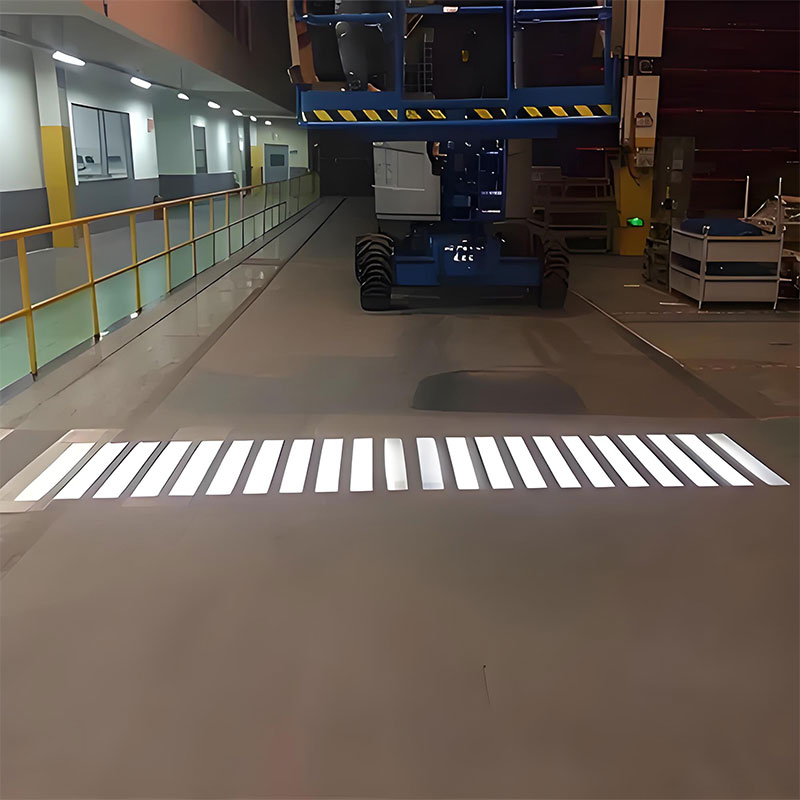
Cities need tools that are fast, reliable, and tailored to their unique needs—and Noparde’s lights deliver on all three, with features built for urban nighttime safety:
Unlike one-size-fits-all projections, Noparde creates custom zebra patterns based on your city’s crosswalk specs: adjust width (4–12 feet), add symbols (like “pedestrian ahead” or boundary markers), or match local design standards. “Seattle has strict crosswalk width rules—Noparde’s custom lines fit exactly, no stretching or cropping,” Gonzalez says. This ensures the projection aligns with how pedestrians and drivers expect crosswalks to look, reducing confusion.
Noparde’s lights are calibrated for nighttime use (2000–80000 lumens)—bright enough to cut through darkness, rain, or fog, but not so bright they cause driver glare. There’s no dimming or speed adjustment: the projection stays consistent, so drivers and pedestrians learn to trust it. “We don’t have staff to tweak settings every night,” Chen says. “Fixed brightness means it’s reliable, no matter the weather or time.”
Traditional repainting takes 2–4 weeks (scheduling, road closures, drying time); Noparde’s lights install in 1–4 hours per crosswalk. They mount to existing poles (streetlights, sign poles) with brackets—no digging, no pavement damage, no disrupting traffic. “We installed 8 lights in Seattle in one workday,” Gonzalez says. “Repainting would’ve taken two weeks and closed lanes—Noparde let us keep roads open while making them safer.”
Noparde’s lights have an IP67 waterproof rating (dust-tight, water-resistant to 1 meter) and work in temperatures from -40°F to 60°F—perfect for city weather extremes (Seattle rain, Austin heat, Portland fog). They’re made from impact-resistant plastic, so they stand up to accidental bumps from maintenance trucks or strong winds. “We had a thunderstorm in Austin the week after installation,” Taylor says. “The lights didn’t flicker—they stayed bright the whole time. They’re tough enough for city life.”
Repainting a single crosswalk costs $300–$800 and needs to be done every 3–6 months. Noparde’s lights cost $800–$1,200 upfront but last 3-5 years with minimal maintenance (just occasional lens cleaning). For Seattle’s 8 crosswalks, the city saved $18,000 in 6 months vs. repainting—and that doesn’t include the cost of road closures or accident prevention. “It’s not just faster—it’s smarter for the budget,” Gonzalez says.
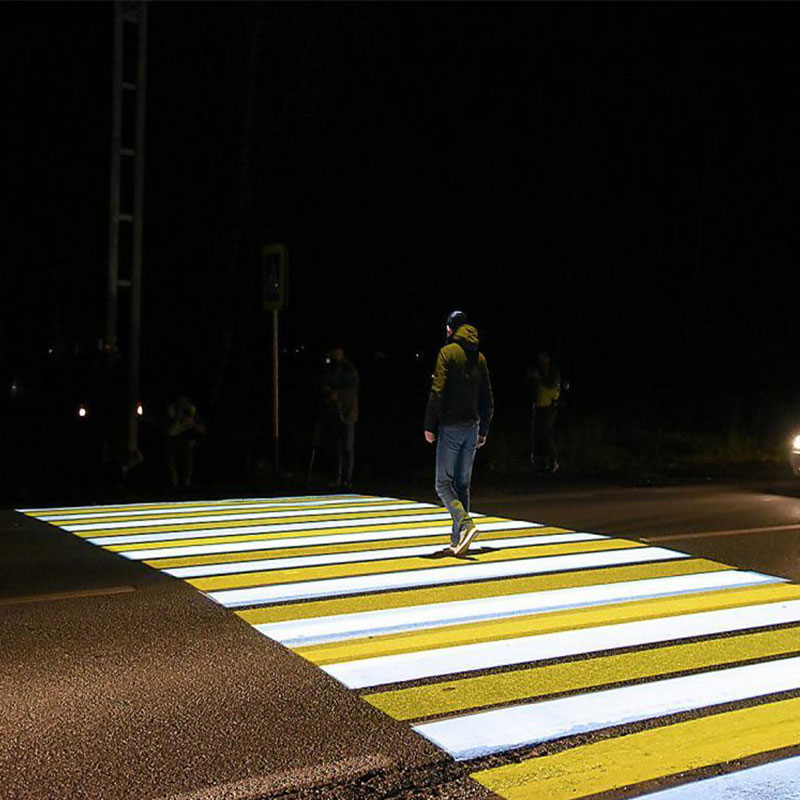
Cities don’t have to wait weeks for safer crosswalks. Noparde’s Road Zebra Projection Lights—whether as a Crosswalk line projection light, Traffic crossing projection lamp, or Pedestrian crosswalk laser projection light—deliver instant nighttime safety, custom-tailored to your needs, at a fraction of the cost of traditional fixes. They turn “waiting for change” into “safety today,” protecting pedestrians and drivers while keeping cities moving.
Seattle, Austin, and Portland’s stories prove it: when you need crosswalk safety fast, Noparde works in hours, not weeks. Your city’s pedestrians deserve to cross safely at night—and Noparde makes it possible, right now.
Ready to transform your city’s nighttime crosswalks? Choose Noparde’s Road Zebra Projection Lights—and build safer streets, faster.