
 +86 18126095160
 bella@noparde.com



2026-10-07 8
A ceiling is often the largest uninterrupted surface in a commercial interior, yet it is usually treated as a background. A Cloud Ceiling Projector changes that relationship by placing moving or still cloud imagery above the visitor. The effect can make a retail space, gallery, hotel lobby, restaurant, or event area feel more open without adding a physical ceiling installation that competes with circulation below.
The visual idea is simple, but the projection problem is not. Ceilings contain lighting tracks, access panels, beams, vents, and changes in height. People also view the surface from different positions as they move through the room. A convincing sky effect must account for those interruptions, the shape of the viewing area, and the brightness of the surrounding interior. 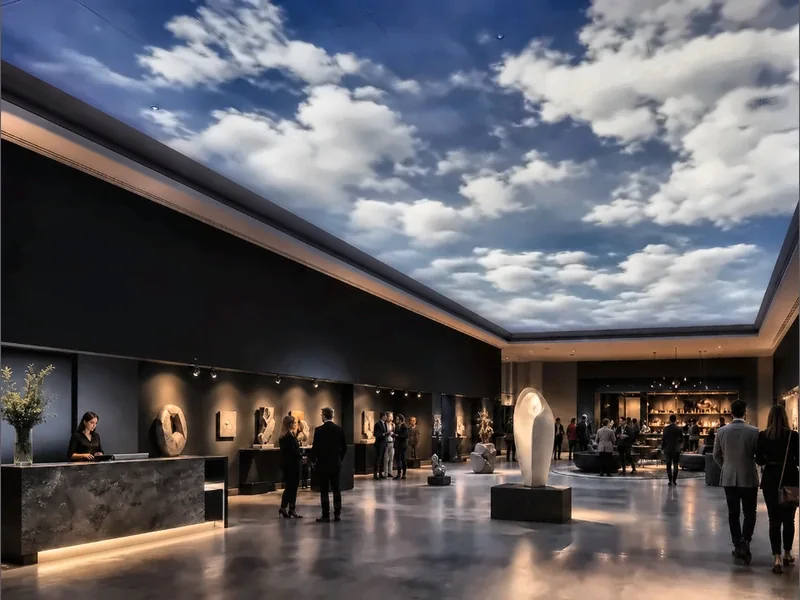
This is why a Cloud Ceiling Projector should be planned as part of the lighting and spatial design. The equipment, lens, artwork, and mounting point work together. If one part is chosen in isolation, the cloud field may look too small, lose focus near an edge, or appear much brighter in one zone than another.
Teams considering custom pattern ceiling projector should first define what the ceiling is meant to do. A slow atmospheric layer calls for different content and brightness than a vivid event effect. The decision affects image movement, color, contrast, coverage, and how closely the projection should follow the room's general lighting mood.
Ambient light deserves early attention. A Cloud Ceiling Projector does not operate on an empty white screen. Warm decorative lamps, daylight, dark ceiling finishes, glossy surfaces, and spotlights all change perceived contrast. Site photos and basic light information help a supplier estimate whether the intended effect should be subtle or more pronounced.
A China project provides a concrete example. The recorded application involved custom gobo projection for an industrial or commercial site. The row records projection distance, artwork or image requirements, installation conditions (7 metres). The project images show cloud imagery spread across ceilings in several finished commercial interiors, including open display areas and visitor circulation spaces. Noparde considered the Cloud Ceiling Projector as a way to create a broad overhead atmosphere while keeping the floor and walls available for normal interior use. The project detail remains limited to the supplied facts and images, but it clearly demonstrates why ceiling dimensions, mounting position, and room lighting belong in the same specification discussion.
Projection geometry is the next step. A Cloud Ceiling Projector needs a workable throw distance and a lens suited to the intended image size. Mounting too close may limit coverage. Mounting farther away can help scale, but it also changes brightness and may expose more of the room to the beam path. The goal is balanced coverage, not simply the largest possible picture.
Large ceilings may require more than one projection position. In that situation, overlap and alignment matter because visitors can notice a hard seam or a sudden brightness change. The content should also tolerate architectural interruptions. Clouds are helpful in this respect because soft organic edges can cross a beam or lighting track more naturally than a rigid graphic border.
A practical floor to ceiling projector also considers service access. The projector should be reachable for inspection without becoming visually dominant. Cable routes, ventilation, control location, and the direction of the lens all need to fit the interior. These ordinary installation details often decide whether the final result remains easy to operate after the opening event.
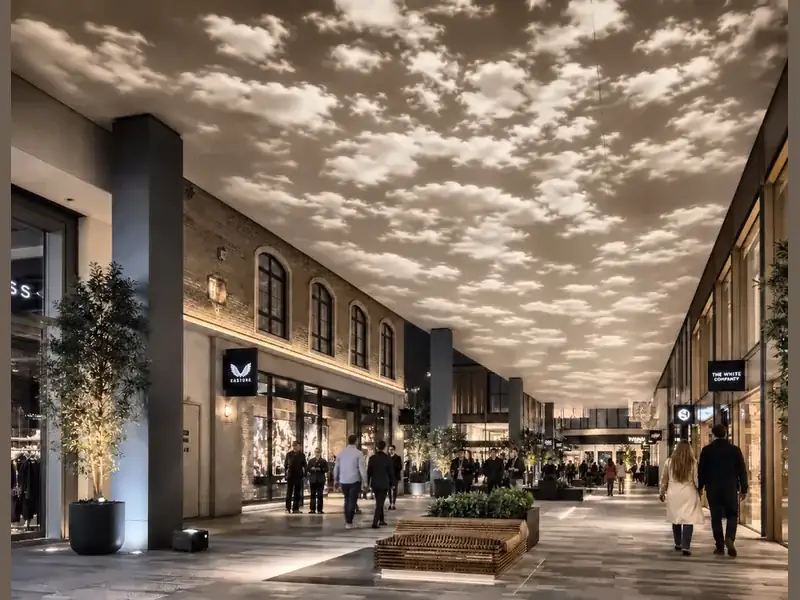
Content quality is equally important. A Cloud Ceiling Projector can reproduce only the material supplied to it, so cloud artwork should be prepared for the real ceiling ratio and intended motion. Excessive speed can make an atmospheric space feel restless. Very low contrast may disappear under room lighting. Noparde can use the site dimensions and visual brief to discuss a more suitable balance.
Color should be evaluated in the room rather than on a computer display alone. A cool blue sky may shift beside warm architectural lighting, while neutral clouds can pick up the ceiling's base color. Testing the proposed content on the actual surface gives the Cloud Ceiling Projector specification a firmer basis and reduces surprises during final alignment.
An commercial ceiling projector is most successful when the projection supports the purpose of the interior. In a gallery it may extend the visual theme above the exhibits. In hospitality it may soften a large ceiling plane. In retail it may create a memorable route through a broad space. The same equipment can serve different goals, but the content and layout should not be copied without reviewing the new site.
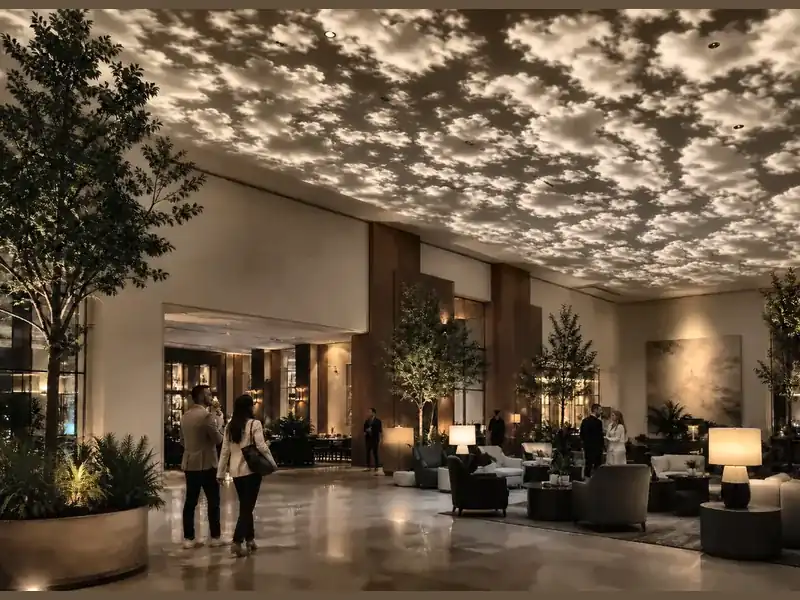
Before final installation, a short on-site test can answer questions that drawings cannot. The team can check focus at the far edge, observe the cloud color beside the room lighting, and confirm whether visitors can see the effect from the main route. This test gives the Cloud Ceiling Projector plan a practical reference before mounting positions and content settings are fixed.
Noparde's role is to connect the visual idea with the practical limits of optics, placement, ambient light, and content production. Starting with ceiling dimensions, photographs, lighting conditions, and the desired viewing area gives the Cloud Ceiling Projector a clear design target. The result is a planned ceiling effect rather than a projector added after the interior has already been decided. This keeps the Cloud Ceiling Projector tied to a clear operational purpose.