
 +86 18126095160
 bella@noparde.com



2026-07-21 168
Outdoor events change character after sunset. A building entrance that looked ordinary in daylight becomes a backdrop. A blank section of pavement turns into a meeting point, and a facade can carry the visual identity of the evening. Projection is attractive in these settings because it can place a brand exactly where people are already looking, without requiring a permanent sign to be fixed to the surface.
The apparent simplicity can be misleading. A logo light projector has to move a carefully prepared image across several metres of open space and keep it recognizable on a surface that was never designed as a screen. Brick, concrete, paving, glass, and painted walls respond differently. Nearby lamps, passing vehicles, and illuminated windows can reduce contrast. The audience may also approach the image from an angle rather than viewing it straight on.
Artwork adds another layer. Brand guidelines are usually created for print and digital screens, where fine lines, small text, and subtle color differences can be controlled. A logo light projector translates that design into light. Tiny details may merge, dark colors may disappear into the background, and a shape that depends on a white page can behave differently on stone or asphalt. Good projection artwork keeps the identity while simplifying what the site cannot reproduce clearly.
Planning therefore starts with the place, not with a catalogue photograph. The team needs a target distance, an approximate image size, the surface material, the mounting position, and a sense of the surrounding light. A logo light projector can then be matched to the lens and housing. If the work will be outdoors, weather protection and heat management belong in the same conversation as image brightness.
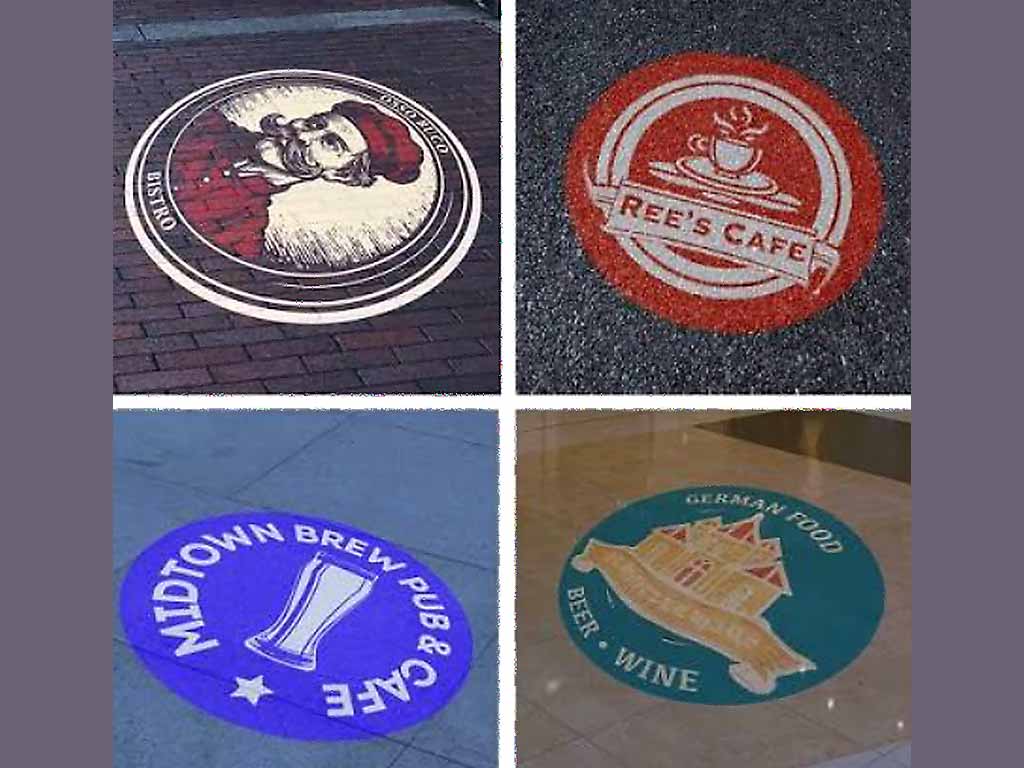
A logo projector light outdoor setup also needs realistic expectations about viewing distance. Five metres between the unit and the surface does not automatically mean the audience will stand five metres away. Some people may pass close to the image, while others see it from across the event area. The projected mark must work at both scales. That often favors clean outlines and strong contrast over intricate decoration.
Noparde asks for artwork early because the lens is part of the optical path, not a label added after the equipment is selected. A suitable file allows the production team to evaluate shape, line thickness, color areas, and the intended background. Once those details are clear, the logo light projector specification can be discussed around real installation conditions instead of an abstract request for a brighter image.
A Slovak customer provided a useful example on May 16, 2026. The project involved an outdoor event, a custom brand lens, and a required projection distance of 5 metres. The customer asked which artwork format to submit and wanted the mark to remain clearly visible. The source material noted that the existing visual impression lacked brightness and edge clarity. Noparde proposed a high-precision custom lens, an outdoor model with IP65 protection, and a power level selected for the environment. The resulting logo light projector plan connected the file, lens, housing, distance, and site conditions in one decision. The material reports a clear nighttime display that met the event requirement, without providing unsupported measurements beyond the recorded distance and protection level.
That example is short, but it captures the central specification problem. A logo light projector is judged by the projected mark, while the result depends on several linked parts. Increasing output cannot repair unsuitable artwork. A precise lens cannot overcome a surface broken by windows. Weather protection does not decide image size. Each choice has a clear job, and the installation works when those jobs support one another.
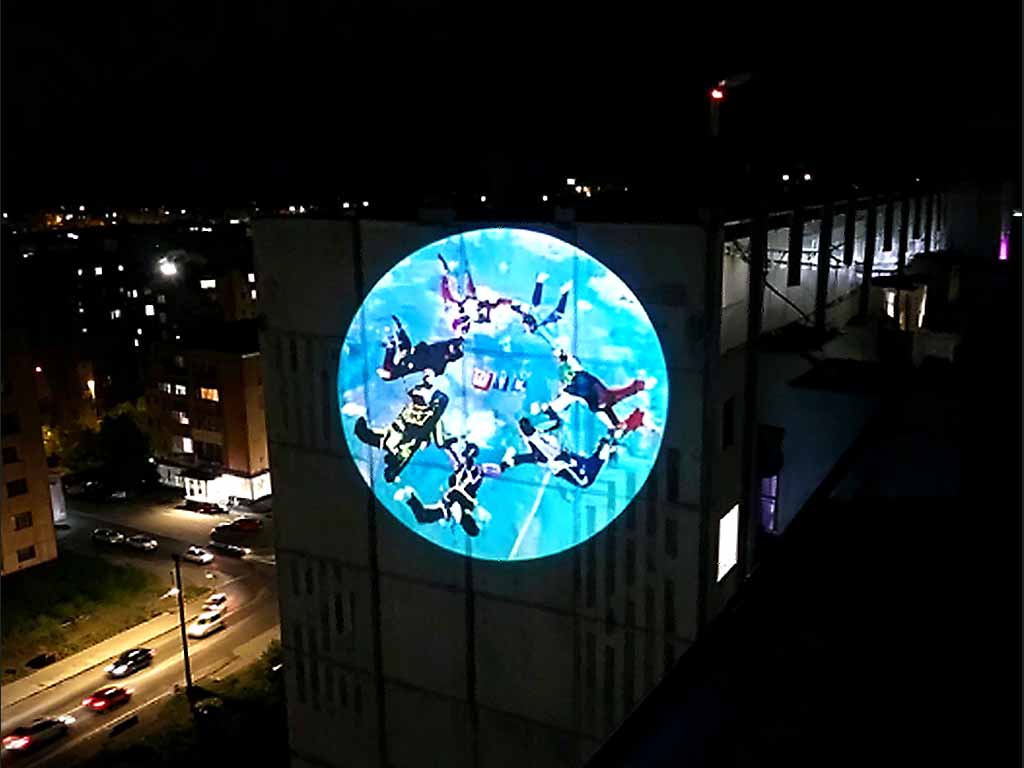
For brand logo projection light projects, artwork should be reviewed at the scale and contrast expected on site. A vector file is often useful because shapes can be prepared cleanly, though the final production format depends on the lens process and the supplier's requirements. High-resolution artwork can also work when it has clear edges. What matters is that the file gives the production team enough detail to reproduce the identity without guessing.
The outdoor housing deserves equal attention. A logo light projector may be installed for one evening, a seasonal campaign, or repeated events. Exposure can still include moisture, dust, heat, and temperature changes. An IP65 model, as recorded in the Slovak material, provides a defined level of protection for outdoor use. It does not remove the need for secure mounting, protected electrical connections, or sensible placement around people and vehicles.
Noparde's contribution is strongest when the customer can share a photograph, distance, target size, and artwork before production. With that information, the team can discuss whether a logo light projector needs a different lens, more output, a revised image, or another mounting position. This is more useful than choosing a model first and trying to force every later decision around it.
Event outdoor brand logo projection lighting also works best when it is coordinated with the rest of the site. The projection should not compete with entrance lighting, video displays, or essential wayfinding. It can welcome guests, identify a sponsor area, or turn a plain facade into part of the event identity, but its location should remain deliberate. A clear image in the wrong place still creates a weak experience.
The most convincing outdoor projections tend to feel as though they belong to the surface. That result begins with ordinary information: a usable file, a measured distance, a known wall or floor, and a realistic view of surrounding light. When those facts reach Noparde early, a logo light projector can be specified as part of the event environment rather than treated as a bright object added at the last minute.