In busy warehouses, manufacturing facilities, and distribution centers, forklifts are essential workhorses that keep operations running smoothly. However, their size, speed, and maneuverability also pose significant risks to both operators and pedestrians. One critical safety feature that often goes overlooked but plays a vital role in preventing accidents is forklift safety warning lights. These specialized lights serve as visual alerts, ensuring that everyone in the vicinity is aware of a forklift’s presence, movement, and potential hazards. In this blog post, we’ll explore the importance of forklift safety warning lights, the different types available, key considerations for selection and installation, compliance standards, and maintenance tips to keep your workplace safe.
Why Forklift Safety Warning Lights Are Essential
Forklifts operate in environments where visibility can be limited—due to high shelves, dim lighting, or busy foot traffic. Without proper warning systems, collisions between forklifts and pedestrians, or between forklifts and other equipment, can occur, leading to injuries, property damage, and costly downtime.
Forklift safety warning lights address this by providing clear, immediate visual cues. They alert pedestrians to the presence of an approaching forklift, even around corners or from a distance, giving them time to move to a safe area. For operators, these lights can also help signal their intentions to others, reducing confusion and improving overall workplace coordination. Additionally, investing in quality warning lights demonstrates a commitment to safety, which can boost employee morale and help meet regulatory requirements.
Common Types of Forklift Safety Warning Lights
There are several types of forklift safety warning lights designed to meet different needs and operating conditions. Here are the most common ones:
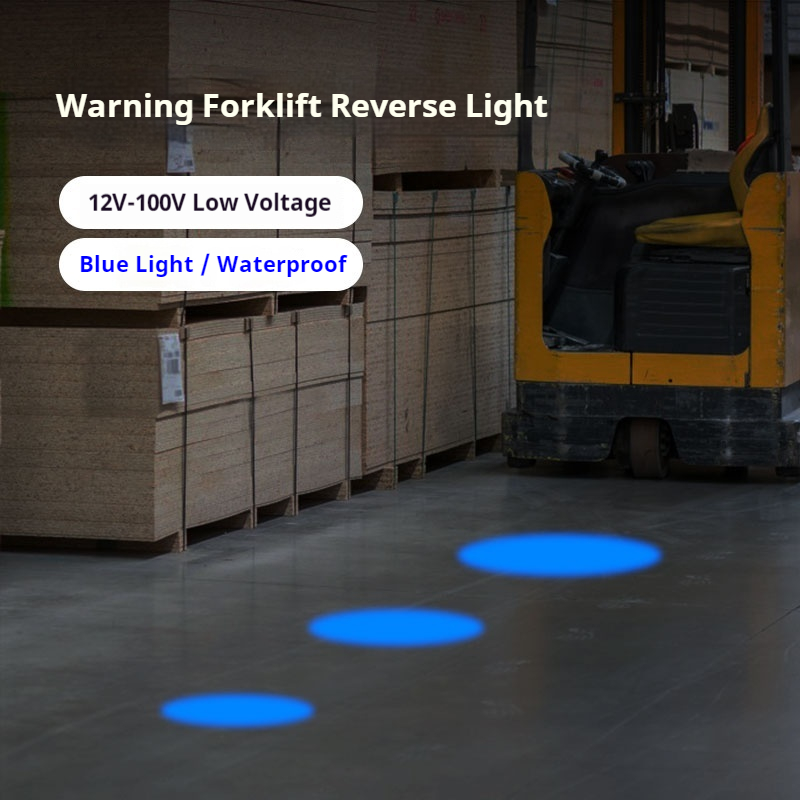
- LED Blue Spotlights: These lights project a bright blue spot onto the floor several feet in front of or behind the forklift. The blue spot acts as a visual warning that a forklift is approaching, even before the vehicle itself comes into view. They are highly effective in busy areas where pedestrians may be distracted or visibility is obstructed.
- Strobe Lights: Strobe lights emit a rapid, flashing beam that is impossible to miss. They are typically mounted on the top of the forklift and are visible from all directions. Strobe lights are especially useful in low-light environments or during inclement weather, as their intense flashes cut through darkness and fog.
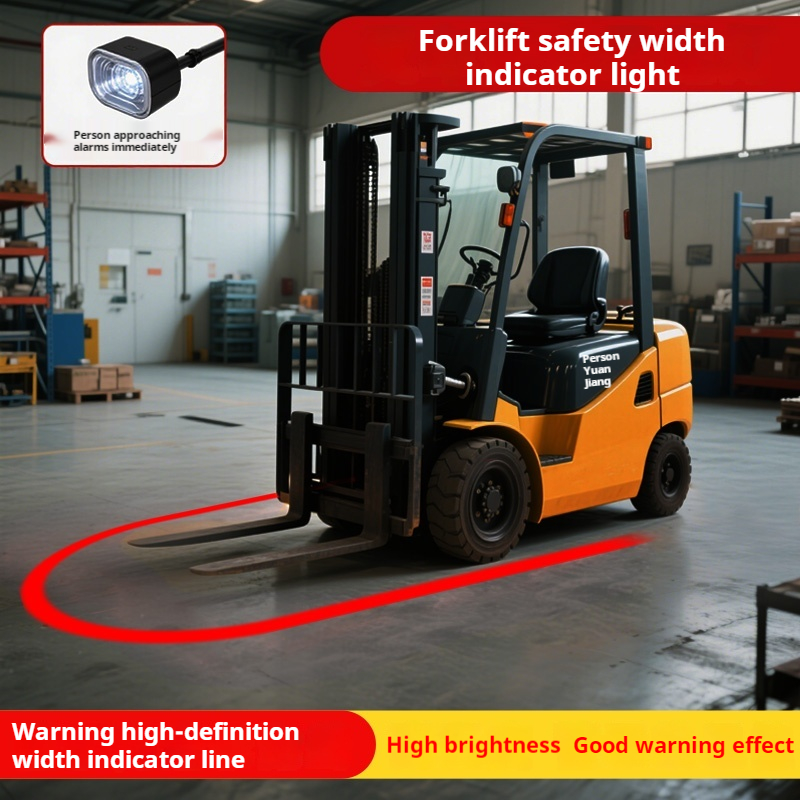
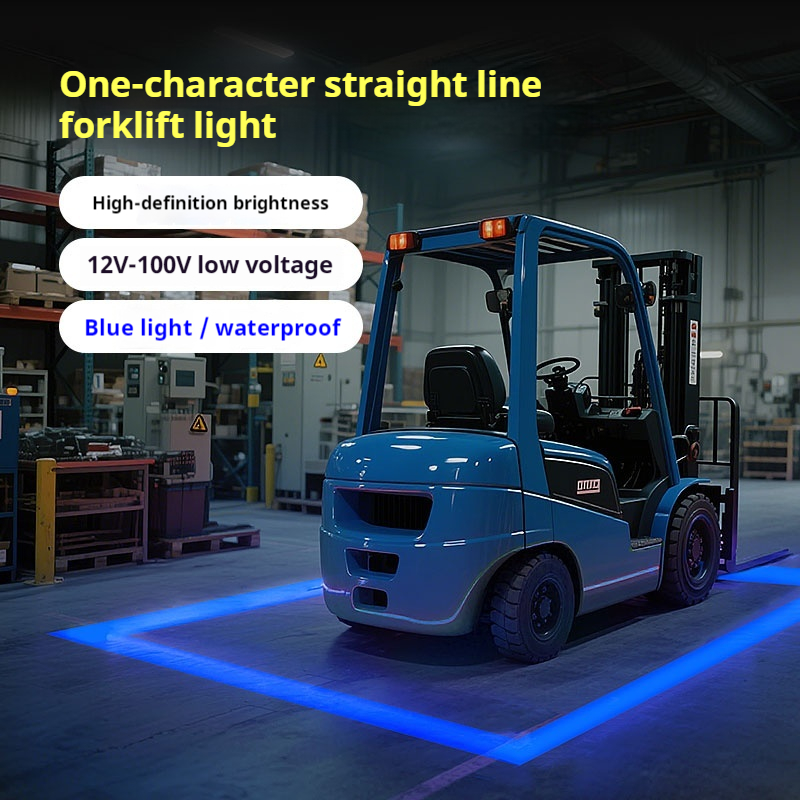
- Red Zone Lights: Red zone lights project a red line or area on the ground around the forklift, indicating a "no-go" zone for pedestrians. This helps establish a clear boundary, warning people to stay outside the immediate vicinity of the moving forklift to avoid being struck.
- Headlights and Taillights: While standard on most forklifts, high-quality LED headlights and taillights are essential for improving visibility during operation. Headlights illuminate the path ahead, allowing operators to spot obstacles, while taillights signal the forklift’s position to those behind it.
- Backup Alarms with Lights: Some systems combine audible backup alarms with flashing lights. When the forklift is reversing, the alarm sounds, and a light (often red or amber) flashes, providing both auditory and visual warnings to alert nearby individuals.
Selecting the right forklift safety warning lights for your workplace involves considering several factors to ensure they are effective and reliable:
- Brightness and Visibility: Opt for lights with high luminosity (measured in lumens) to ensure they are visible even in well-lit environments or direct sunlight. LED lights are a popular choice due to their brightness, energy efficiency, and long lifespan.
- Durability: Forklifts operate in tough conditions, including exposure to dust, moisture, vibrations, and occasional impacts. Choose lights that are built to withstand these elements—look for IP67 or IP68 ratings for water and dust resistance, and rugged housing made from materials like aluminum or polycarbonate.
- Ease of Installation: The lights should be easy to mount on different parts of the forklift (e.g., front, rear, top) without requiring extensive modifications. Many modern lights come with universal mounting brackets for versatility.
- Compatibility: Ensure the lights are compatible with your forklift’s electrical system. Most lights operate on 12V or 24V power, which is standard for forklifts, but it’s always best to check the specifications.
- Regulatory Compliance: Different regions have specific safety standards for forklift equipment. For example, OSHA (Occupational Safety and Health Administration) in the U.S. and EU standards may require certain types of warning lights in specific workplaces. Choose lights that meet or exceed these regulations to avoid penalties and ensure safety.

Installation and Placement Tips
Proper installation and placement of forklift safety warning lights are crucial to their effectiveness. Here are some tips to ensure optimal performance:
- Blue Spotlights: Mount blue spotlights low on the front and rear of the forklift to project the blue spot onto the floor at a distance of 6–10 feet. This ensures the spot is visible to pedestrians before the forklift reaches them.
- Strobe Lights: Position strobe lights on the highest point of the forklift, such as the overhead guard, to maximize visibility from all angles.
- Red Zone Lights: Install red zone lights on the sides of the forklift to project a continuous red line around the vehicle, creating a clear boundary. Adjust the angle to ensure the red zone covers the area where pedestrians are most at risk.
- Headlights and Taillights: Headlights should be angled to illuminate the path ahead without blinding oncoming operators or pedestrians. Taillights should be bright enough to be seen from a distance, even in daylight.
- Secure Mounting: Use sturdy brackets and ensure all lights are tightly fastened to prevent vibration-related damage or dislodging during operation.
Compliance Standards and Regulations
Adhering to safety regulations is not only a legal requirement but also a critical aspect of protecting your workforce. In the United States, OSHA’s standards for powered industrial trucks (29 CFR 1910.178) outline requirements for visibility and warning devices. While OSHA does not explicitly mandate specific types of warning lights, it requires that forklifts be equipped with "adequate means of signaling" to warn others of their presence. This includes lights, alarms, or other devices that ensure visibility.
In the European Union, the EN 16203 standard specifies requirements for visual and audible warning devices on industrial trucks, including forklifts. This standard mandates that warning lights be visible under various lighting conditions and that they do not cause glare that could impair operators or pedestrians.
Other countries may have their own regulations, so it’s essential to research and comply with local laws. Regular inspections to ensure warning lights are in working order are also part of maintaining compliance.
Maintenance Tips for Longevity and Performance
To ensure your forklift safety warning lights remain effective, regular maintenance is key:
- Daily Inspections: Include a check of all warning lights in your pre-shift inspection routine. Look for cracks in the housing, loose connections, and dim or flickering lights.
- Clean Regularly: Dust, dirt, and debris can reduce the brightness of the lights. Clean the lenses with a soft cloth and mild detergent to keep them clear.
- Check Wiring and Connections: Vibrations from forklift operation can loosen wires or connections. Periodically inspect the wiring harnesses and connectors to ensure they are secure and free from damage.
- Replace Bulbs or LEDs Promptly: If a light burns out or stops working, replace it immediately. Keep spare bulbs or LED modules on hand to minimize downtime.
- Test Functionality: Regularly test all lights to ensure they are working as intended. This includes checking strobe patterns, spotlight projection, and red zone coverage.
Conclusion
Forklift safety warning lights are a small but powerful investment in workplace safety. By providing clear visual alerts, they help prevent accidents, protect employees, and ensure compliance with regulations. Whether you choose blue spotlights, strobe lights, red zone lights, or a combination of these, selecting high-quality, durable lights and maintaining them properly is essential. Remember, a safe workplace is a productive workplace—so don’t overlook the importance of these critical safety devices. Equip your forklifts with the right warning lights today and create a safer environment for everyone.

 +86 18126095160
  bella@noparde.com

